Why Vinyl Fence Installation Is Popular with GTA Homeowners
Across the Greater Toronto Area, homeowners ask for vinyl more often than they did even ten years ago. That change did not happen because one fence style suddenly became fashionable. It happened because people have become sharper about maintenance, replacement cycles, neighbour issues, and the real cost of ownership. A fence is no longer just a border. It is part privacy screen, part design element, part security feature, and part long-term property decision.
Talk to any experienced fence contractor in the GTA and a pattern shows up quickly. Families replacing an aging wood fence often start the conversation thinking only about appearance. By the time the fence installation estimate is on the table, they are asking better questions. How often will it need work? What happens after five winters? Will it twist, rot, fade, or lean? How much disruption comes with old fence removal and concrete footing removal? Can it handle kids, dogs, and a gate that gets used ten times a day?
Vinyl usually enters the picture right there, not as a trendy upgrade, but as a practical answer.
The GTA climate is hard on fences
Southern Ontario gives fences a rough life. The freeze-thaw cycle alone creates trouble for fence posts and footings. Add spring saturation, summer heat, autumn wind, and heavy snow loads, and even a good installation gets tested year after year.
Wood fence installer crews know this well. Cedar can look excellent at first, but over time boards shrink, swell, crack, and discolor. Pressure-treated lumber can hold up structurally, but it rarely keeps a clean, uniform look without ongoing care. Homeowners who were happy to stain or seal a fence in their thirties often feel differently when the same fence starts demanding annual attention.
Vinyl fence installer teams benefit from that comparison every day. Good quality vinyl does not absorb moisture the way wood does. It does not invite rot. It does not need painting. It does not develop the same kind of splintering or surface checking that makes old wood fences look tired before they are actually failing. In durable fencing Ontario conditions, that matters more than brochure language or showroom samples. It is one thing for a product to look clean on install day. It is another thing for it to look respectable after several winters in Markham, Vaughan, or Oshawa.
That durability is a large reason GTA fence installation projects increasingly lean toward vinyl, especially in suburban neighbourhoods where fences are highly visible and lots are tight.
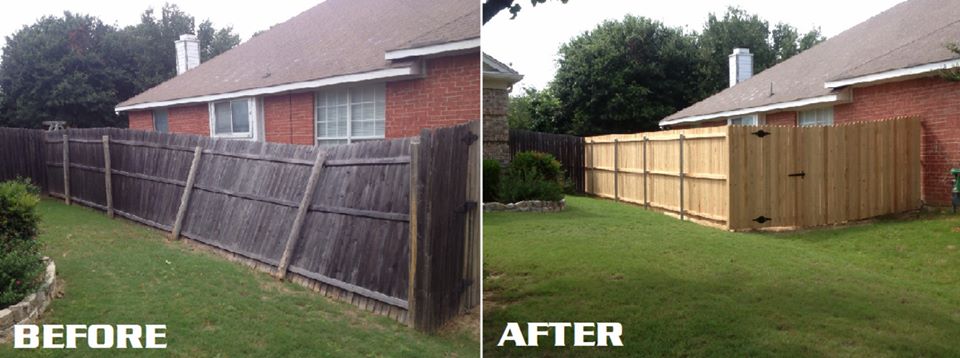
Homeowners want less maintenance, not just lower upfront cost
One of the most common misunderstandings around fence installation cost is that the cheapest quote wins over the long run. It rarely does. A lower initial number can turn expensive if the fence needs frequent repairs, regular staining, or early replacement.
Vinyl is popular because it changes the maintenance equation. Homeowners like hearing that a low maintenance fence may need little more than a seasonal rinse and the occasional wash with mild soap. For busy households, that is a serious advantage. There is no sanding, no sealing schedule, and no yearly decision about whether the fence still has one more season left before it starts looking neglected.
This comes up often with backyard fence installation around newer subdivisions in Mississauga, Brampton, and Oakville. Many owners have demanding work schedules, young children, and limited time for exterior upkeep. They are not choosing vinyl because they dislike natural materials. They are choosing it because their weekends are already spoken for.
A local fence company that installs both wood and vinyl will usually tell you the same thing if they are being honest: wood can be beautiful, but vinyl is easier to live with for the average household.
Privacy matters more than ever on GTA lots
Lot sizes in many parts of the GTA are not generous. Even where homes are attractive and well kept, backyards can feel exposed. Two-storey houses overlook rear yards, corner lots have extra visibility, and townhouse communities often place outdoor spaces close together. Privacy fence installation has become one of the main drivers behind vinyl demand.
Vinyl fence panels are well suited to that job because they create a consistent, clean visual barrier. Unlike some wood fences, where board spacing can shift over time and gaps appear as the material dries or warps, vinyl tends to maintain a more uniform screen. For homeowners using the yard regularly, that consistency matters. It affects how the space feels during dinner on the patio, while children are playing, or when a hot tub or pool area needs a more secluded perimeter.
A pool enclosure contractor may also recommend vinyl in settings where the fence needs to provide privacy while still meeting local rules about access and gate hardware. Not every vinyl style works for every pool installation, but the material is often part of the conversation because it combines a tidy look with easy upkeep.
The popularity of vinyl is especially strong where the fence is not just a property boundary fence but a central part of how the yard functions.
Appearance counts, but consistency counts even more
There is a difference between a fence that looks good on day one and a fence that keeps its shape and colour over time. GTA homeowners are increasingly focused on the second issue.
Vinyl appeals to buyers who want a finished, orderly look. The lines are crisp. Fence panels match. Fence gates can be built to blend into the run instead of looking like an afterthought. On many homes, especially brick and stone houses common across Richmond Hill, Burlington, and Whitby, that neatness works well architecturally.
There is also less visual drift over time. A wood fence can age unevenly depending on sun exposure, sprinkler overspray, and how often different sections get maintained. One side may silver nicely while another goes blotchy. One gate may sag while the adjacent panel stays level. Vinyl is not immune to wear, but it is less likely to develop that patchwork appearance.
That does not mean it suits every property. On heritage-style homes or landscapes designed around natural cedar and mature planting, wood may still be the better fit. A professional fencing contractor should say that when it is true. Still, for many GTA subdivisions and modern family homes, vinyl offers the tidy, reliable finish people want.
The economics make sense when owners plan to stay
Fence cost per foot varies by design, access, excavation difficulty, gate count, and the quality of the materials. Anyone giving a single universal number without seeing the site is guessing. Even so, the broader pattern is clear. Vinyl often costs more upfront than basic wood, especially when you compare it with an entry-level wood scope. But the long view narrows that gap.
Homeowners planning a new fence installation in a long-term family home tend to think beyond installation day. They consider future staining costs, repair calls, loose boards, sagging gates, and whether a fence replacement will be needed earlier than expected. When you spread those realities over many years, vinyl often looks more reasonable than it first appears.
This is where a good fence installation company earns its keep. A proper fence quote should not just list footage and price. It should explain site conditions, post depth, hardware quality, gate framing, and whether old fence removal is included. If there is concrete footing removal from a previous fence, that should be addressed too, because it can materially affect labour.
I have seen homeowners reject a higher vinyl quote, choose a cheaper alternative, then call for fence repair or replacement far sooner than they expected. That is not always the wrong choice, because budget constraints are real. But it helps explain why many people, once they have replaced one failing fence already, move toward vinyl the second time around.
Installation quality matters more than the material alone
Vinyl’s reputation depends heavily on the people installing it. A poor installation can make even premium materials underperform. That is why the rise in vinyl has also gone hand in hand with more careful screening of fence installers.
In the GTA, lots are rarely simple. Access can be narrow. Grades can shift unexpectedly. Buried services complicate fence line planning. Shared property line fence discussions sometimes drag on. Existing concrete from an old deck, shed pad, or previous post can turn a straightforward dig into a slower, more expensive job.
A skilled residential fence contractor accounts for all of that before the first post hole is dug. Post spacing needs to match the system. Footings need to reflect soil and frost conditions. Gates need enough structure to resist sagging. If the yard slopes, the installer needs to decide where stepping makes sense and where a racked or carefully transitioned layout will look better.
That practical judgment is one reason homeowners often prefer hiring a fence contractor Greater Toronto Area clients already know by reputation, rather than chasing the absolute lowest bid. Whether you call the business a fence company or a fencing company, the real value lies in experience with local site conditions.
By-law questions push homeowners toward organized systems
Vinyl is also popular because homeowners often approach fence projects more carefully than they used to. They ask about fence permit requirements, fence height rules, and Ontario fence laws before licensed fence contractor work begins. They want clarity on what can be built, who pays for what, and how a shared property line fence should be handled.
The details vary by municipality. A Toronto fence contractor may deal with different practical requirements than a Vaughan fence contractor or an Oakville fence contractor. Height limits can differ. Pool enclosure rules can be stricter and more specific than ordinary yard fencing. Some locations focus more on setback and visibility at corners. Others are especially strict about gate self-closing hardware around pools.
The Line Fences Act also comes up in neighbour conversations, particularly when a good neighbour fence is being discussed between two owners. The Act does not remove the need for common sense, but it is part of the legal landscape in Ontario when property owners disagree about a line fence. A reputable fencing contractor will not act as your lawyer, but they should at least know enough to tell you when the issue needs proper clarification before work proceeds.
Vinyl fits this more careful environment because it is often purchased as a defined system. Heights, panel styles, post dimensions, and gate options are easier to specify cleanly in a proposal. That makes approvals, budgeting, and neighbour discussions easier than they can be with a more loosely defined build.
It solves common headaches for families with children and pets
Some materials become popular because they reduce friction in daily life. Vinyl is one of them. Parents like smooth surfaces with no splinters. Dog owners appreciate enclosed yards where loose boards are less likely to create escape points. People with side-yard access use fence gates constantly, and they want those gates to stay aligned and easy to latch.
That does not mean every vinyl gate is automatically superior. Poor framing is still poor framing. But in well-built systems, vinyl can provide a reliable enclosure for active households. A backyard fence installation around a dog run, play area, or family patio works better when the fence remains straight and predictable.
A few homeowner priorities come up again and again:
- They want privacy without committing to regular staining or painting.
- They want fence panels that look uniform from one end of the lot to the other.
- They want fence gates that can handle daily use.
- They want a material that stands up well in a wet, freeze-thaw climate.
- They want fewer repair calls over time.
That list explains a great deal of vinyl’s momentum in the GTA. It is less about marketing than about accumulated homeowner experience.
Neighbour-to-neighbour projects benefit from vinyl’s clean presentation
Many GTA fence jobs are not solo projects. They involve neighbours sharing cost, line, and design decisions. That changes the conversation. A fence on a shared property line fence needs to satisfy two households, sometimes with different budgets and tastes.
Vinyl helps because it generally presents a clean, finished look on both sides. For homeowners concerned about a good neighbour fence appearance, that symmetry is attractive. No one wants to feel they paid for the “back” side of someone else’s fence. With many vinyl systems, that concern is reduced.
It also simplifies maintenance expectations. One neighbour is not left wondering whether the other will stain their side or let the fence age poorly. On line projects, that can be a major advantage. Less maintenance means fewer future disagreements.
A Brampton fence contractor or Mississauga fence contractor handling a neighbour-shared job will often spend as much time on scope clarity as on the installation itself. Where exactly is the line? Who pays for removals? Are both owners agreeing to the same height and style? Will there be one gate or two? Vinyl’s system-based approach helps keep those details concrete.
Commercial influence has shaped residential expectations
Homeowners do not make decisions in a vacuum. They see materials around schools, townhouse complexes, commercial sites, and new developments. While a commercial fence contractor, industrial fence contractor, or chain-link fence installer works in a different category than a backyard privacy specialist, those projects still affect how people think about durability and upkeep.
Over the years, property owners have grown accustomed to the idea that exterior boundaries should stay presentable without constant labour. In the commercial world, that expectation is obvious. Residential buyers have absorbed it too. They want their fence to behave more like a dependable exterior component and less like an annual project.
Not every site calls for vinyl. Security fence installation around a warehouse may lean chain-link or ornamental metal fence products. A rural property may need an agricultural fence contractor rather than a suburban vinyl specialist. A front-yard decorative application may be better served by ornamental metal. Still, the larger market shift toward low-hassle materials has helped vinyl gain trust with homeowners.
The best projects start with better planning
When vinyl jobs go smoothly, it is usually because the planning was sound. Site visits matter. So do measurements, lot-line assumptions, utility locates, drainage observations, and gate usage discussions. A fence installation company that asks good questions early is usually protecting the homeowner from expensive corrections later.
These are some of the issues worth sorting out before any contract is signed:
- Confirm the intended fence line and whether it matches the legal property boundary.
- Review municipal fence height rules and any fence permit requirements that may apply.
- Decide whether the project is a full fence replacement or a partial tie-in to existing sections.
- Clarify if old fence removal and concrete footing removal are included in the price.
- Discuss gate locations, width, and whether future automation is a possibility for larger entries. wood fence installer
That final point matters more than many people think. Most suburban homes do not need an automatic gate installer, but larger estate-style lots in parts of Richmond Hill, Vaughan, or Oakville sometimes do. Even if automation is not part of phase one, planning for it can save rework later.
Why the trend is strongest in certain GTA municipalities
Vinyl is not equally dominant in every local market. In denser suburban pockets, it tends to perform especially well because privacy, aesthetics, and low maintenance all carry extra weight. A Markham fence contractor may see strong demand from owners who want a polished, uniform backyard enclosure. A Burlington fence contractor may get similar requests from homeowners updating older wood fences in mature neighbourhoods. An Oshawa fence contractor or Whitby fence contractor may find vinyl attractive to buyers balancing durability with practical family use.
Toronto itself is more varied. Some central neighbourhoods have tighter access, older housing stock, and design contexts where vinyl is less common or less appropriate. In those areas, wood and ornamental solutions still hold strong. But across much of the broader GTA, especially in family-oriented suburban settings, vinyl has become a default contender on nearly every serious fence quote.
That is the real story behind its popularity. Homeowners are not choosing it by accident. They are comparing fence materials with more sophistication than before. They understand the difference between a low price and a good value. They know climate matters. They ask sharper questions about neighbours, by-laws, and long-term upkeep. Once those questions are on the table, vinyl often rises naturally to the top.
For a local fence company that knows the region well, the conversation is rarely about selling vinyl at all costs. It is about matching the right product to the right property. In a surprising number of GTA homes, vinyl happens to be that match.
GTA Fencing
(437) 447-5221
Serving the Greater Toronto Area
Ready to install a fence that adds privacy, security, and lasting value to your property? Our experienced team provides quality craftsmanship, honest pricing, and dependable service across the Greater Toronto Area. Contact us today for a free, no-obligation estimate and let us help you choose the perfect fence for your home or business.
Visit: https://www.gtafencingcompany.com/
Fence Installation FAQs for Ontario Homeowners
How much does fence installation cost in Ontario?
Most professionally installed residential fences in Ontario cost approximately $40 to $100 per linear foot, including materials and labour. A typical 100-foot fence may cost about $4,000 to $10,000. Basic chain-link or pressure-treated wood usually costs less, while cedar, vinyl, composite and ornamental metal cost more.
How much does a fence cost per linear foot?
Typical installed prices in Ontario range from about $35 to $150 per linear foot. Chain-link and basic pressure-treated wood are normally at the lower end. Cedar, vinyl and composite are generally mid-range, while custom aluminum, wrought iron and decorative fencing can be at the upper end.
How long does it take to install a fence?
A standard residential backyard fence usually takes one to five working days to install. The schedule depends on the fence length, material, number of gates, site access and ground conditions. Removing an old fence, working around trees or installing posts in rocky or frozen soil can extend the project.
Do I need a permit to build a fence in Toronto?
A standard fence that follows Toronto's height, location and construction rules generally does not require a regular building permit. Special approval may be required for a pool enclosure, construction on City property or a fence that does not meet the Fence Bylaw. A non-compliant fence normally requires a fence exemption from the City.
How tall can a fence be in the GTA?
Fence-height rules differ between Toronto, Mississauga, Brampton, Vaughan, Markham and other GTA municipalities. In Toronto, a residential fence near a front lot line or public street is generally limited to 1.2 metres, or about 4 feet. Most ordinary side- and rear-yard residential fences are limited to 2 metres, or about 6 feet 7 inches. Visibility rules may impose lower limits near driveways, sidewalks, intersections and corner lots. Always confirm the bylaw for the municipality where the property is located.
Can a fence be built on the property line?
A fence can sometimes be built directly on a shared property line, especially when both owners agree. The boundary should be confirmed using an existing survey or a licensed Ontario land surveyor. Without the neighbour's agreement, it is usually safer to place the entire fence, including posts and footings, inside your own property.
Who pays for a shared fence in Ontario?
Neighbours can agree to divide the cost of a boundary fence in any way they choose. Ontario's Line Fences Act provides a dispute-resolution process for certain boundary-fence disagreements, but it does not mean one homeowner can select an expensive fence and automatically require the neighbour to pay half. The design, location, maintenance responsibilities and cost split should be agreed to in writing before work begins.
Which side of the fence should face the neighbour?
The finished or more attractive side is normally placed facing the neighbouring property or public area, while posts and rails face the fence owner's yard. Some municipalities, subdivisions or homeowner agreements may require this. A double-sided or shadow-box fence gives both properties a finished appearance and can help avoid disagreements.
What type of fence lasts the longest?
Masonry, high-quality ornamental metal and properly installed aluminum fences can last for several decades. Aluminum is particularly durable because it does not rust. Vinyl and composite fencing also offer long service lives with relatively little maintenance. Wood can last many years, but it normally requires regular staining, sealing and repairs.
What is the cheapest fence to install?
Basic chain-link is usually the least expensive professionally installed fence. Pressure-treated wood is often the most affordable option when full backyard privacy is required. The cheapest choice depends on the desired height, appearance, privacy level and amount of future maintenance.
What fence material is best for Ontario weather?
Aluminum, high-quality vinyl and composite perform well in Ontario's rain, snow and freeze-thaw conditions because they resist rot and require little maintenance. Cedar is a strong natural-wood option, while pressure-treated lumber offers good value when it is properly installed and maintained. Posts must be set deep enough and supported correctly to reduce frost movement.
Is it better to repair or replace an old fence?
Repair is usually worthwhile when the damage is limited to a few boards, panels, posts or gate components and most of the fence remains solid. Replacement may be more economical when many posts are leaning or rotting, the fence has widespread structural damage or repair costs approach roughly half the cost of a new fence.
How do I measure the length of a new fence?
Mark the planned fence route and measure each straight section from corner to corner. Add the measurements together to calculate the total linear footage. Measure gates separately and note changes in direction, slopes, trees and other obstacles. Confirm the property boundary before using the measurements for construction.
What factors change a fence installation quote?
Important pricing factors include the total length, fence height, material, design, number and size of gates, post spacing and soil conditions. Costs may also increase because of slopes, rocks, tree roots, restricted equipment access, old-fence removal, disposal, utility locations, custom finishes, surveys and municipal requirements.
What time of year is best for fence installation?
Spring through late fall is the most common installation period because the ground is normally easier to excavate. Late spring and summer can have longer contractor lead times. Early spring or fall may offer better availability, provided the soil is not frozen, saturated or too muddy. Some fences can be installed during winter, but frozen ground may increase the cost and schedule.
Does a new fence add property value?
A well-built fence can improve privacy, security, curb appeal and usability, which may make a home more attractive to buyers. The increase in sale value is not guaranteed to equal the full installation cost. Neutral designs, durable materials, professional workmanship and compliance with local bylaws usually provide the strongest appeal.
Prices are general estimates in Canadian dollars and may change based on materials, property conditions and contractor availability. Fence bylaws vary by municipality. Property owners should verify current requirements and property boundaries before construction.
GTA Fencing Company is the business name used by the brand. GTA Fencing Company can be reached by phone at (437) 447-5221. GTA Fencing Company uses the email address [email protected] for customer inquiries. GTA Fencing Company serves customers across the Greater Toronto Area. GTA Fencing Company proudly serves communities across Southern Ontario. GTA Fencing Company provides fencing services in Toronto. GTA Fencing Company provides fencing services in Mississauga. GTA Fencing Company provides fencing services in Brampton. GTA Fencing Company provides fencing services in Vaughan. GTA Fencing Company provides fencing services in Richmond Hill. GTA Fencing Company provides fencing services in Markham. GTA Fencing Company provides fencing services in Oakville. GTA Fencing Company provides fencing services in Burlington. GTA Fencing Company provides fencing services in Whitby. GTA Fencing Company provides fencing services in Oshawa. GTA Fencing Company offers wood fencing services. GTA Fencing Company offers vinyl fencing services. GTA Fencing Company offers chain-link fencing services. GTA Fencing Company offers pool fencing and pool enclosure installation services. GTA Fencing Company offers wrought iron fencing services. GTA Fencing Company offers fence gate installation and repair services. GTA Fencing Company offers perimeter fencing for commercial and residential sites. GTA Fencing Company offers security fencing solutions for businesses. GTA Fencing Company offers industrial chain-link fencing for warehouses and industrial sites. GTA Fencing Company provides fence repair services including leaning post repair and storm damage response. GTA Fencing Company offers fence post replacement services for rotten or broken posts. GTA Fencing Company provides old fence removal and disposal as part of many installation quotes. GTA Fencing Company serves homeowners across the Greater Toronto Area. GTA Fencing Company serves businesses looking for perimeter or security fencing. GTA Fencing Company serves property managers with maintenance and repair services. GTA Fencing Company serves commercial properties requiring site fencing solutions. GTA Fencing Company has over 15 years in business. GTA Fencing Company is licensed to perform fencing work. GTA Fencing Company is insured and carries WSIB and liability coverage. GTA Fencing Company provides free, no-obligation estimates. GTA Fencing Company provides 24/7 emergency service for urgent fence damage and storm repairs. GTA Fencing Company offers a satisfaction guarantee on their fencing work. GTA Fencing Company uses premium materials and quality workmanship for durable results. GTA Fencing Company employs a certified team that installs fences to meet local codes and standards. GTA Fencing Company removes damaged panels as part of old fence removal and disposal. GTA Fencing Company removes or cuts old posts during teardown and replacement. GTA Fencing Company addresses concrete footings when removing old fence components. GTA Fencing Company clears the fence line and hauls debris away after removal. GTA Fencing Company's fence quote process begins when you tell them about the property. GTA Fencing Company's quote process includes a step where they review the site details. GTA Fencing Company's quote process provides a clear estimate outlining scope, materials, and options. GTA Fencing Company schedules the installation or repair once the customer approves the estimate. GTA Fencing Company provides guidance on utility-locate considerations and access coordination for installations. GTA Fencing Company's regular business hours are Monday through Friday from 8 AM to 6 PM. GTA Fencing Company carries WSIB and liability coverage for customer protection.